
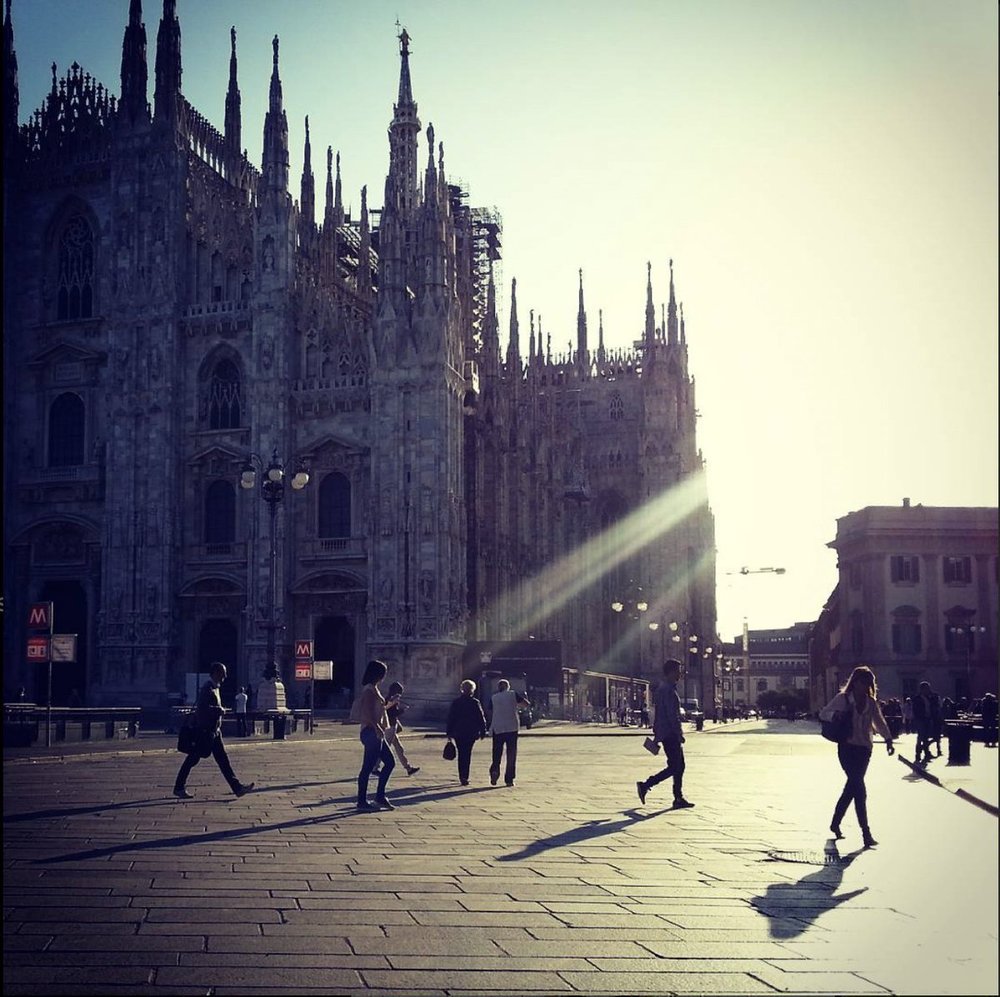
Milan Insider Guide: What to See, Where to Eat & the Best Day Trips from Milan
|
Written by Stefano Stefano is a licensed and officially registered tour guide based in Milan and co-founder of Abroads Tours. With over 7 years of professional experience, he leads cultural, food, wine, and scenic tours across Milan, Lake Como, the Langhe wine region, and the Italian Alps. His work is based on direct field experience and supported by more than 1,000 verified 5-star reviews on TripAdvisor and Google. |
 |
|
Quick Summary: Milan in One Look How many days: 1–2 days for the city itself, 3–4 if you add day trips (Como, Barolo, Bernina, etc.).
|
On this page:
| Top places and hidden corners in Milan |
| The honest truth about the Last Supper |
| Micro itineraries & common questions |
| Where to eat – restaurants locals actually use |
| Best day trips & tours from Milan |
Milan is often described as a fashion capital, a business hub, a city of shopping and style. Yet travelers who spend more than a few hours here quickly notice that the city works on layers. The more you walk its neighborhoods, the more it reveals quiet courtyards, small museums, restored industrial spaces, and modern districts that never appear in basic itineraries.
This guide brings all the essential information into one place—what to see, where to eat, and how to choose the best day trips—following the exact way visitors plan their journey when approaching a complex destination like Milan. The objective is to give travelers accurate, verifiable information supported by official websites, so they can plan realistically and avoid the usual tourist shortcuts that lead to repetitive experiences. Each section is designed to stand alone but also to guide the reader naturally toward the next step, forming a complete decision-making path: discover → taste → explore.
TOP PLACES IN MILAN
What to See in Milan: 12 Hidden Gems & Non-Touristy Places to Visit
 |
Visitors often limit their exploration to the Duomo, Galleria Vittorio Emanuele II, and the Castello area. These landmarks are important, but Milan's identity becomes clearer once you leave the typical routes and move into neighborhoods that mix history, contemporary architecture, and quiet spiritual spaces.
The following 12 locations represent a balanced view of Milan as locals experience it: artistic, reserved, modern, and historically layered. Each attraction includes a direct link to its official website to ensure the most precise and updated information.
 |
Art and Culture: Milan's Most Overlooked Creative Corners
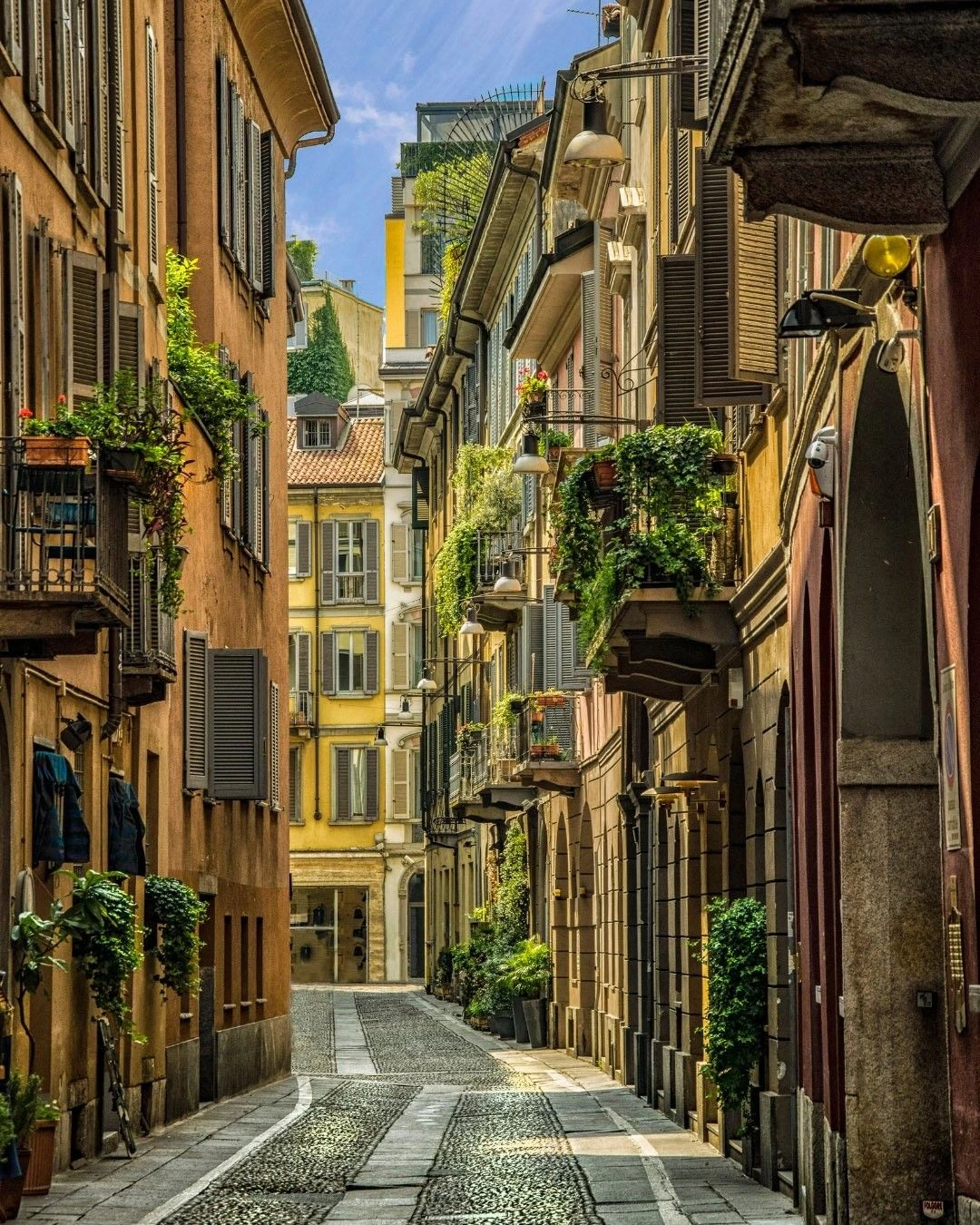
1. Brera District & Pinacoteca di Brera
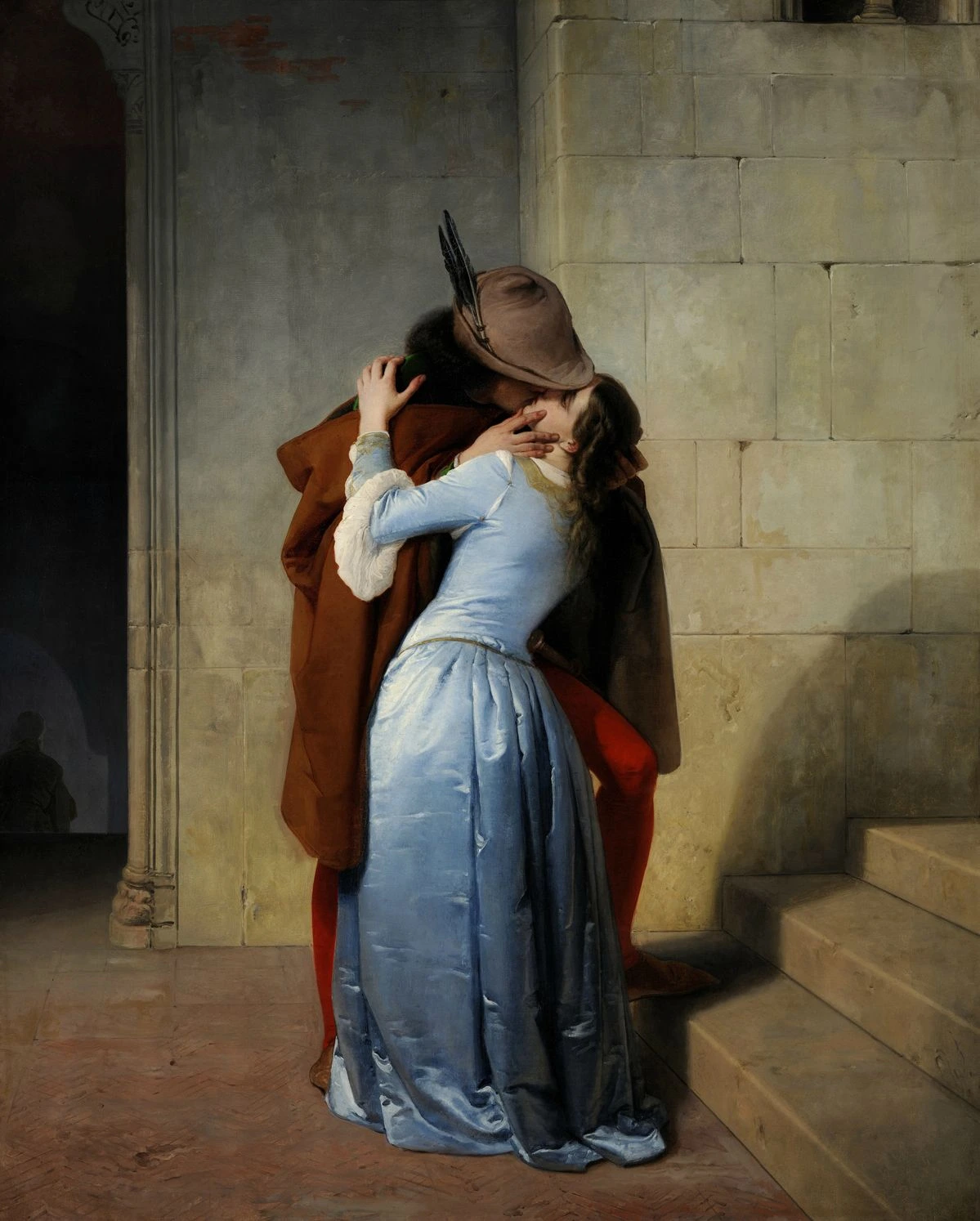
Brera has always been associated with the arts. Narrow streets, artisan workshops, and cafés surround the Pinacoteca di Brera, home to works by Caravaggio, Raphael, Hayez, and Piero della Francesca. Behind the academy lies the Brera Botanical Garden. Official websites: Pinacoteca di Brera | Orto Botanico di Brera
2. Pinacoteca Ambrosiana
Home to Leonardo's Codex Atlanticus, alongside works by Botticelli, Caravaggio, Titian, and Luini. One of Milan's most intellectually dense museums. Official website: ambrosiana.it
3. Castello Sforzesco – Hidden Museums
The castle contains multiple interior museums, including the space dedicated to Michelangelo's Pietà Rondanini. Official website: milanocastello.it
4. Museo Nazionale Scienza e Tecnologia Leonardo da Vinci
One of Europe's most complete science museums, housed in a former monastery. Features trains, ships, aircraft, and Leonardo models. Official website: museoscienza.org
Architecture & Design: Beyond Traditional Itineraries
5. Villa Necchi Campiglio
A 1930s villa preserved by FAI, showing Milanese elite life between the wars. Official: villanecchicampiglio.it
6. Fondazione Prada
Contemporary art exhibitions in a former distillery, plus Bar Luce by Wes Anderson. Official: fondazioneprada.org
7. Pirelli HangarBicocca
Monumental contemporary art space with Anselm Kiefer's permanent installation. Official: hangarbicocca.org
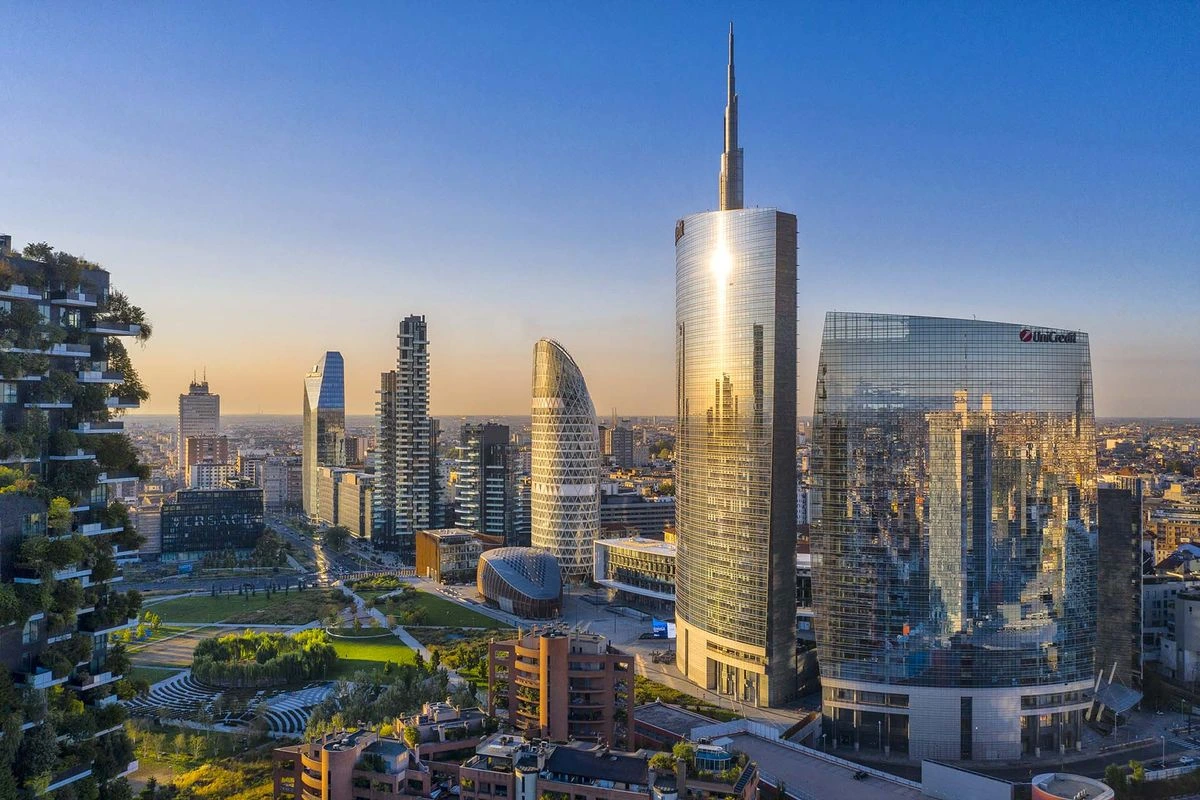
8. Bosco Verticale & Piazza Gae Aulenti
Vertical Forest towers anchoring Milan's modern Porta Nuova district.
Sacred Spaces: Quiet Alternatives to the Duomo
9. San Maurizio al Monastero Maggiore
Renaissance fresco cycles by Luini and workshop. Official: museicivicimilano.it
10. Basilica di Sant'Ambrogio
One of Milan's oldest churches, founded in the 4th century. Official: basilicasantambrogio.it
11. San Bernardino alle Ossa
Small ossuary chapel decorated with human bones. Info: sanbernardinoalleossa.it
Nature & Green Spaces Inside Milan
12. Cascina Cuccagna
Restored farmhouse with gardens, cultural events, and a farm-to-table restaurant. Official: cuccagna.org
The Most Efficient Way to See Milan's Historic Center (Half a Day, No Stress)
Castello Sforzesco, Parco Sempione, Brera, Galleria Vittorio Emanuele II, La Scala, and the Duomo are not random stops — they form a single logical walk through Milan's history, from the Renaissance to the modern city. In the right order, on foot, they connect naturally. Most visitors do them separately, backtrack, waste time, and end the day exhausted.
The critical bottleneck is the Duomo. In high season, the ticket queue alone takes 60 to 90 minutes. The rooftop — the best view in central Milan — sells out regularly. If you arrive without a pre-booked ticket, you often get in late, rush the visit, and miss the light.
We run a small group walking tour (max 10 guests) that covers this entire route in 3.5 hours with skip-the-line Duomo access and rooftop included — everything pre-booked, no queuing, no logistics. It starts at Castello Sforzesco and ends at the Duomo with elevator access to the terraces. English only. Maximum 10 people.
If half a day in Milan's center is on your itinerary, this is the most efficient version of it.
See the full itinerary and check availability →
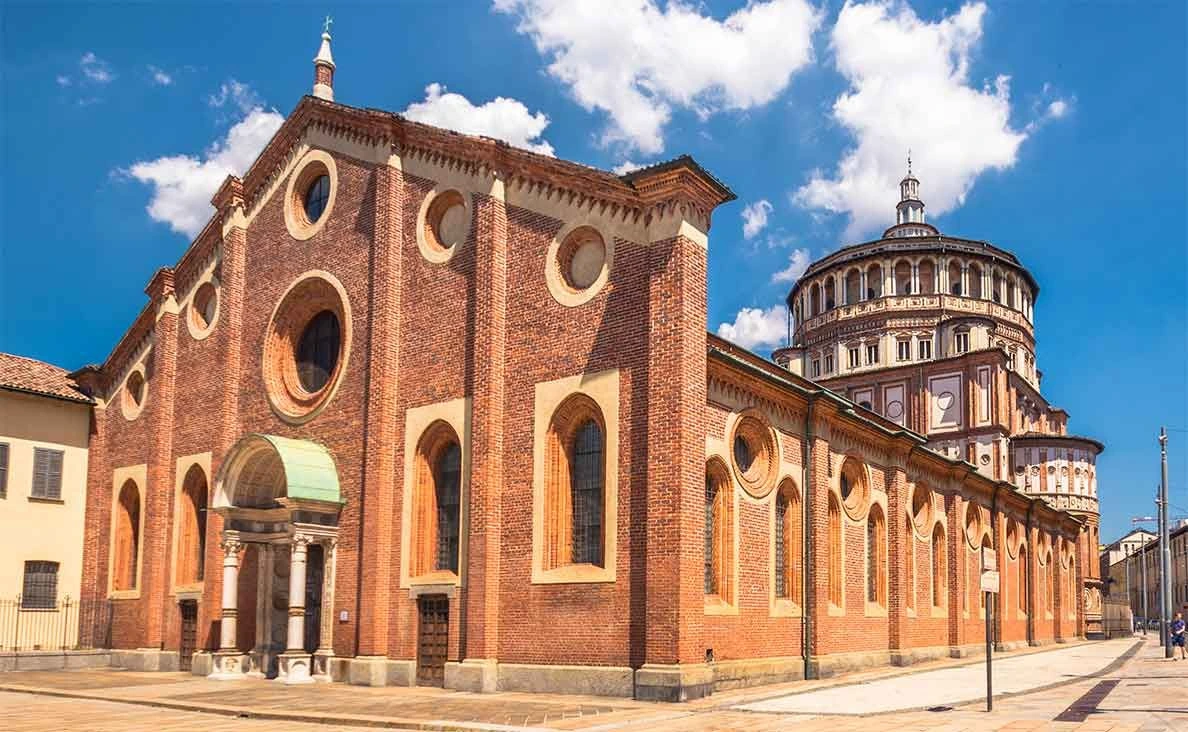
THE LAST SUPPER — THE STRAIGHTFORWARD TRUTH
 |
Most guides call the Last Supper a "must-see." But people rarely explain why everyone repeats this line. Here is the honest version, without hype.
1) What the Last Supper actually is
It's an important Renaissance work, but: you see it for about 15 minutes entries are timed and controlled the visit is quiet and short the room is small tickets are often sold out months ahead.
If you know what you're coming for, it's great. If you expect a big museum experience, it won't match that.
2) Why the internet keeps saying "must see"
There are three reasons — none of them mysterious.
| Reason 1: Some people genuinely love Renaissance art If someone understands perspective, symbolism, and Leonardo's technique, they naturally consider it essential. |
| Reason 2: Travel content copies what already ranks Many blogs repeat each other. Some writers haven't personally visited — they follow what every other guide says. |
| Reason 3: Many websites earn commissions when you book This is normal in travel publishing. It's not unethical — but travelers should recognize how recommendations are often monetized. |
3) Ticket facts
| Official ticket: €15 |
| What most people end up paying: €89–199 for guided visits and tour packages |
Why? Because the €15 tickets are usually sold out. This doesn't make the artwork less valuable. It simply explains the real logistics.
One clarification worth making: the Duomo and the Last Supper are two separate sites. The Cenacolo by Leonardo is at Santa Maria delle Grazie, about 15 minutes on foot from the Duomo, it requires its own ticket and reservation. If you want both, plan for two separate visits on the same day or on different days.
What we can solve is the Duomo problem. Our small group tour includes pre-reserved skip-the-line tickets for the Cathedral and the rooftop terraces — €125 per person, max 10 guests, no surprises on the day. If the Duomo is on your list and you don't want to spend an hour in the ticket queue, this is the direct link to check availability.
4) If you're not deeply into art, Milan has easier masterpieces
Many travelers end up preferring these because they're accessible, calm, and require zero stress:
| San Maurizio al Monastero Maggiore (free): Full walls of Luini frescoes — often called "the Sistine Chapel of Milan." |
| Pinacoteca Ambrosiana: Caravaggio (Basket of Fruit), Botticelli, Titian, Luini, and Leonardo's Codex Atlanticus in one place. |
| Santa Maria presso San Satiro (free): Bramante's famous false-perspective apse — a Renaissance optical illusion done at full scale. |
| Pinacoteca di Brera: Raphael, Piero della Francesca, Mantegna, Hayez. You can spend 30 minutes or two hours — no rush. |
5) Who should actually visit the Last Supper?
Visit if:
- You're genuinely interested in Renaissance art
- You're happy with a short but meaningful viewing
- You can book well in advance
Skip (without guilt) if:
- You don't care much about painting
- You dislike timed, controlled visits
- You prefer relaxed experiences
- You're visiting Milan on a fast schedule
6) The honest conclusion
The Last Supper is important. But for many travelers, the hype + ticket stress is bigger than the actual experience. If you're an art lover — go. If not — Milan gives you world-class art with no lines and no pressure. The goal is simple: decide based on your interests, not based on internet trends.
MICRO ITINERARIES & COMMON QUESTIONS
 |
What can I see in Milan in 2 hours?
Two hours only allow for a compact walking route. Here are three realistic options:
Iconic Landmarks:
Piazza Duomo, exterior of the Duomo, Galleria Vittorio Emanuele II, Piazza della Scala. All connected by short walking distances.
Art & History:
Pinacoteca Ambrosiana (about 1 hour) — official site, walk along Via Torino, San Bernardino alle Ossa — official reference.
Modern Milan:
Piazza Gae Aulenti, Bosco Verticale viewpoints, Porta Nuova district streets. Simple, linear, and fully walkable.
What should I see if I only have half a day in Milan?
Option A — Classic + Museum:
Duomo, Galleria Vittorio Emanuele II, Brera District, Pinacoteca di Brera
Option B — Navigli & Porta Ticinese:
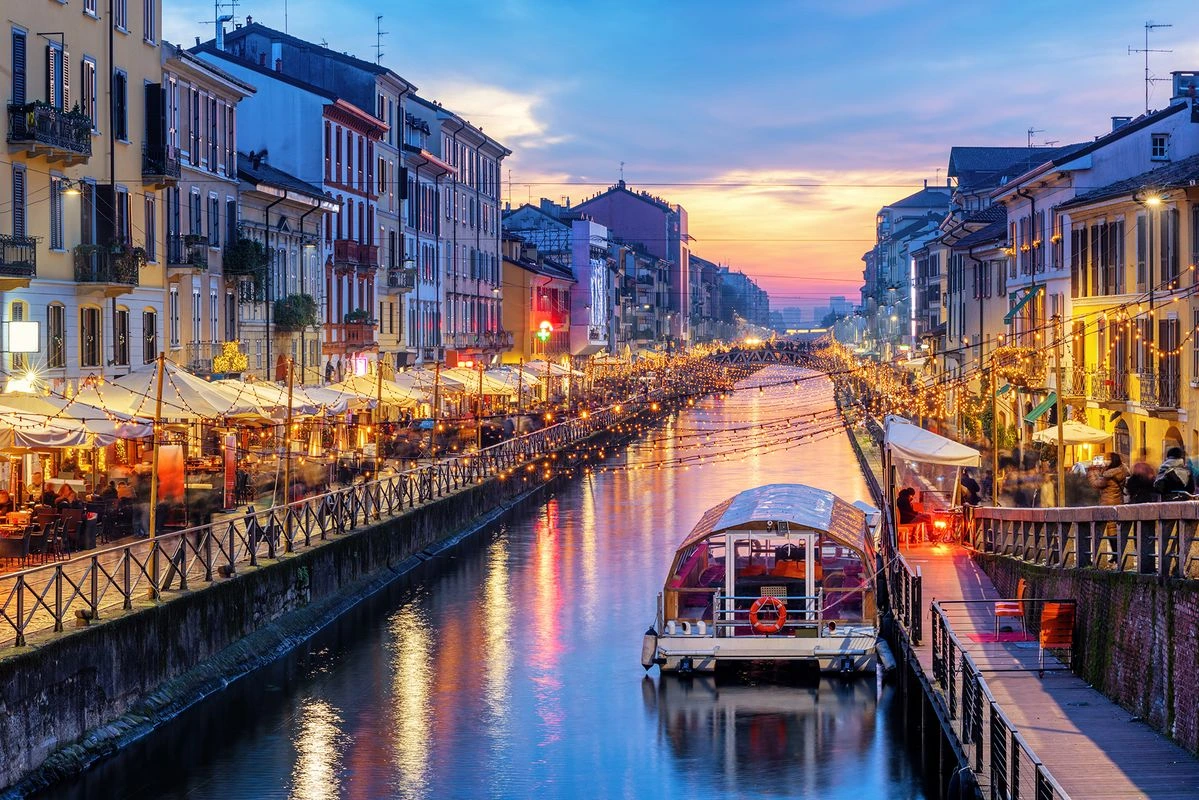
Basilica di Sant'Eustorgio, Darsena, Naviglio Pavese / Naviglio Grande
Option C — Contemporary Milan:
Gae Aulenti, Bosco Verticale, Pirelli HangarBicocca
What are the best neighborhoods to walk in Milan?
| Brera – historic, artistic. |
| Isola – cafés, street art, independent shops. |
| Navigli – quieter along Naviglio Pavese. |
| Cinque Vie – artisan studios, Roman traces. |
What time of day is best for Milan's attractions?
| Duomo & Galleria → early morning or after 20:00 |
| Brera → morning |
| Navigli → late afternoon |
| Bosco Verticale / Gae Aulenti → late afternoon |
Is Milan walkable?
Yes, the centro storico is highly walkable. Longer distances are connected efficiently via metro (M1, M2, M3) and trams.
 |
MILAN BEST RESTAURANTS
Where to Eat in Milan: 13 Restaurants Locals Choose (Not Tourists)
 |
The restaurant landscape in Milan is defined by strong local traditions and modern culinary experimentation. But tourists often choose based on proximity, not quality. This list identifies 13 places that reflect the city's real food culture, divided into casual, mid-range, and high-end dining, each with official links for accurate reference.
What do people eat in Milan?
Milanese cuisine is defined by a combination of rice-based dishes, slow-cooked meats, and traditional "osteria" recipes.
Typical dishes:
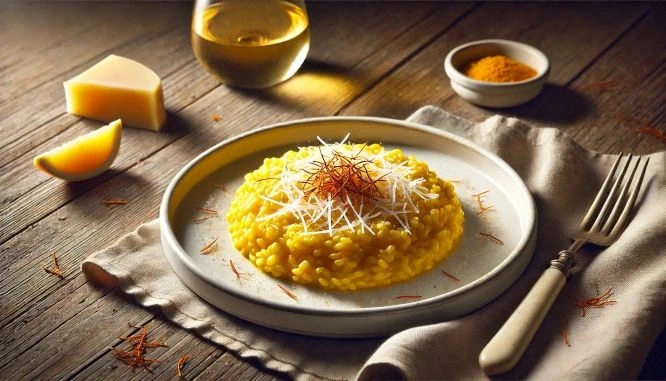
| Risotto alla Milanese – saffron risotto with a rich, creamy texture. |
| Cotoletta alla Milanese – thick veal cutlet fried in butter. |
| Ossobuco – slow-cooked veal shank in broth with gremolata. |
| Mondeghili – traditional Milanese meatballs. |
| Panettone – served year-round in artisanal bakeries. |
Modern Milan integrates Asian, Middle Eastern, and contemporary Italian influences, especially in Porta Venezia, Sarpi (Chinatown), and Isola.
Casual & Budget-Friendly Options
Osteria Conchetta
Traditional Milanese dishes cooked over open flame, including saffron risotto and ossobuco.
https://www.osteriaconchetta.it/
Trattoria del Nuovo Macello
Near Porta Romana, known for handmade pasta and seasonal menus.
Trattoria della Pesa
Historic trattoria serving classic Lombard recipes.
https://www.trattoriadellapesa.com/
Bottega Lucia
Neighborhood restaurant offering simple, well-executed Italian plates.
Un Posto a Milano
Farm-to-table concept in a restored farmhouse, with seasonal and sustainable dishes. https://www.unpostoamilano.it/
Mid-Range Dining
A' Riccione Bistrot
Seafood-focused restaurant with Adriatic influences.
https://www.ariccione.it/bistrot/
Røst
Contemporary Italian bistro with natural wines and nose-to-tail cooking.
https://www.ristorante-rost.it/
Rovello 18
Quiet and elegant dining room near the Sforza Castle.
https://www.ristorante-rovello18.it/
Al Fresco
A garden restaurant offering Italian cuisine in a calm outdoor setting.
High-End & Michelin-Level
Langosteria
High-level seafood, raw dishes, and shellfish.
Il Marchese – Osteria & Liquori
Roman dishes combined with a curated amaro and cocktail list.
https://www.ilmarchesemilano.com/
Ristorante Berton
Michelin-starred modern cuisine in Porta Nuova.
Bonus Options
Trippa
A modern trattoria with offal dishes, handmade pasta, and Milanese classics.
TOP DAY TRIPS & TOURS FROM MILAN
Best Activities for a One-Day Experience
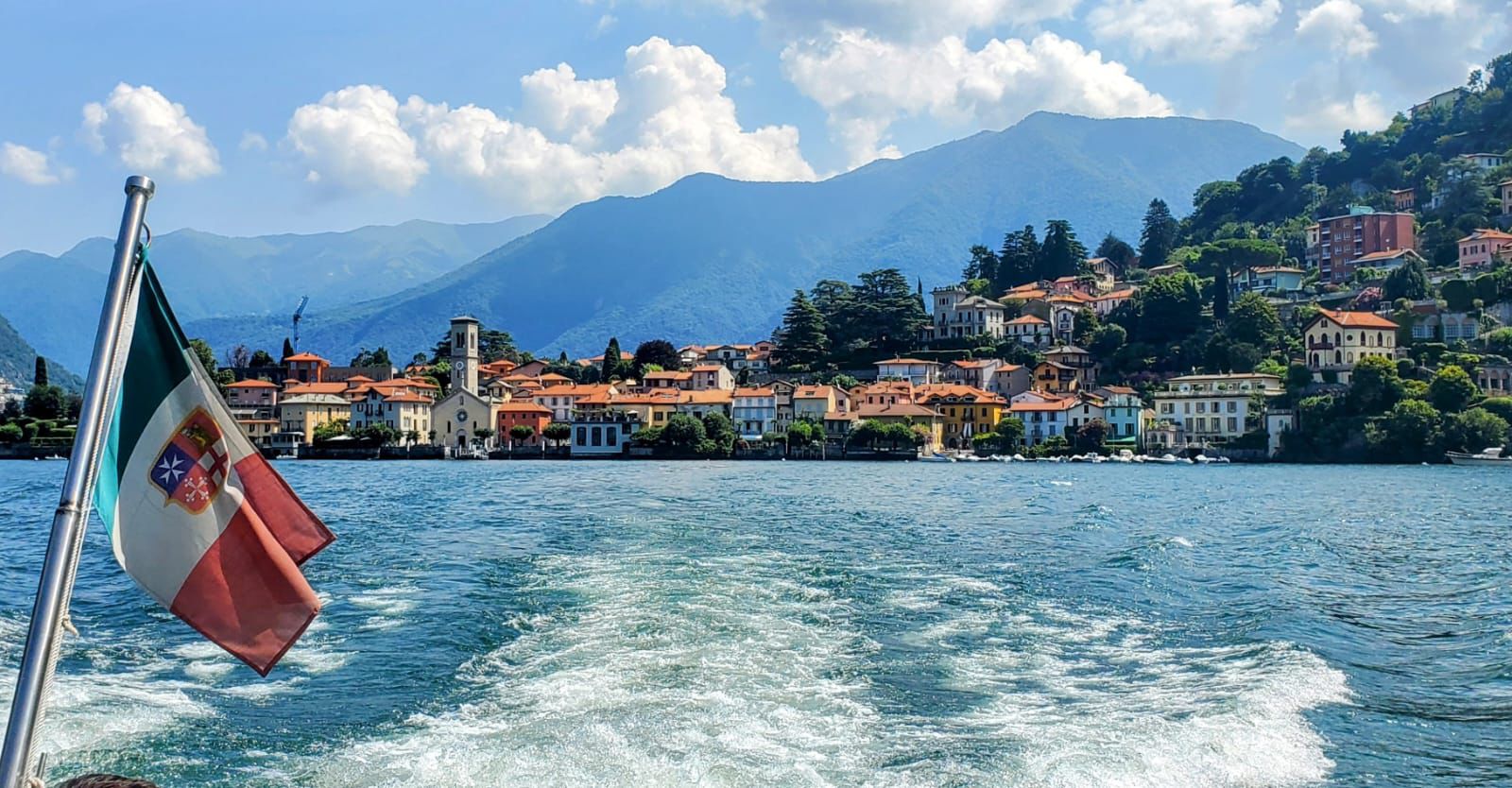 |
Milan is one of the most strategic cities in Northern Italy for planning day trips. Fast rail connections and well-developed road networks make it possible to reach Alpine landscapes, lakeside towns, medieval centers, and major wine regions without changing accommodation. The options below reflect real traveler intent: lakes, mountains, wine regions, and scenic routes.
Best Day Trips Without a Car
Some destinations can be reached by regional trains, while others are best explored with structured tours or private transfers:
| Lake Como (Varenna) – direct trains from Milano Centrale, short walk into the village. |
| Bergamo Alta – train + funicular into the medieval citadel. |
| Turin – fast trains (about 1 hour) for museums and baroque architecture. |
| Pavia – Romanesque churches, the Certosa monastery, and a relaxed old town. |
| Barolo / Langhe wine region – most efficient with a guided tour or private driver. |
| Bernina region / St. Moritz – best through organized itineraries due to logistics and transfers. |
These reflect real travel patterns, not theoretical possibilities.
|
Planning multi-transport day trips can create stress and wasted time. If you prefer to avoid ferry queues, missed connections, and driving logistics, a small-group tour is the simplest option. |
Explore Our Hand-Picked Day Trips →
Featured Day Trips from Milan
 |
|
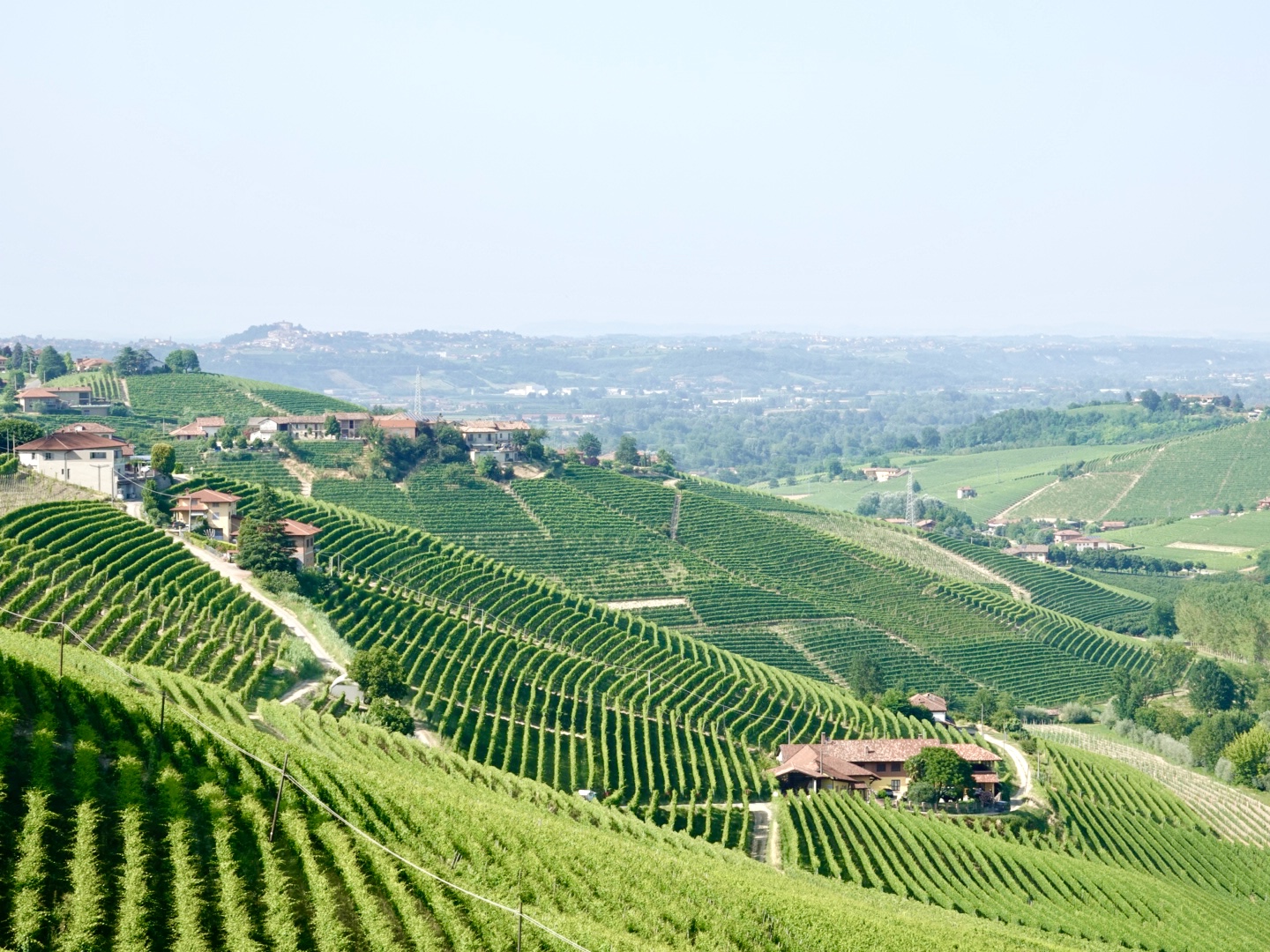
Barolo Wine Tasting Tour from Milan A full-day trip into the Langhe hills, known for rolling vineyards and historic villages overlooking the valleys. The route typically includes cellar visits, tastings of Barolo and Barbaresco, and stops in villages such as La Morra or Barolo. Tour details and booking: https://abroadstours.com/wine-tours/barolo-wine-tasting-tour-from-milan-alba/ Related guide: https://abroadstours.com/blog/best-wine-tasting-from-milan/ |
|
Bellagio & Varenna – Lake Como Tour from Milan A focused lakeside itinerary covering two of Lake Como's most characteristic villages. Bellagio offers stepped alleys and panoramic viewpoints, while Varenna provides a calmer atmosphere with a lakeside promenade and proximity to Villa Monastero. Tour details and booking: https://abroadstours.com/como-tours/bellagio-varenna-tour/ Related guide: https://abroadstours.com/blog/lake-como-day-trip-from-milan/ |
|
Kick-Off Walking Tour in Milan A concise introduction to Milan for visitors who prefer a structured overview of the historic center. The walk includes key landmarks and secondary streets, building a clear orientation for the rest of the stay. Tour details and booking: https://abroadstours.com/city-tours/kick-off-walking-tour-in-milano/ |
|
Bernina Private Tour A full-day Alpine route marked by clear lakes, forests, and high-altitude viewpoints. The landscapes create a complete contrast with Milan's urban rhythm. Tour details and booking: https://abroadstours.com/tours/bernina-private-tour/ |
Common Mistakes When Planning Day Trips from Milan
Planning a day trip from Milan looks straightforward, but a few recurring patterns reduce the quality of the experience:
| Underestimating travel times: Actual travel times vary depending on regional trains, seasonal traffic, and ferry schedules. Not checking timetables often leads to rushed visits. |
| Trying to combine too many destinations: Complex routes (e.g., Milan → Varenna → Bellagio → Como → Lugano) turn the day into transit. One destination per day is the simplest fix. |
| Relying on last-minute transport: Ferries and some regional services run with limited frequency, especially off-season. Planning ahead prevents long waits and missed connections. |
| Choosing tours purely by price: Lower prices usually mean bigger groups and tighter timing. Reliable tours improve flow and reduce wasted time. |
| Expecting wine regions to be walkable: Barolo and the Langhe are not designed for walking between villages and wineries. A driver or curated tour is the practical solution. |
Transportation Cheat Sheet: Quick Reference
Lake Como (Varenna, Bellagio)
Train: Milan Centrale → Varenna-Esino (~1 hour). Ferry: Varenna ↔ Bellagio (~15 minutes). Best for independent travelers who want flexible movement.
Barolo / Langhe Wine Region
No direct train access. Requires car, private driver, or guided tour. Best for wine-focused experiences with structured tastings.
Bernina / St. Moritz
Train: Milan → Tirano (~2h30). Bernina route: Tirano → St. Moritz. Best for Alpine scenery with a clear itinerary to avoid inefficient transfers.
Bergamo Alta
Train (~48 minutes) + funicular to the upper town. Best for medieval streets and compact walking routes.
Turin
High-speed train (~1 hour). Best for museums, architecture, and historic cafés.
Pavia
Train (25–30 minutes). Best for Romanesque heritage and a slower pace.
|
You've read everything — here are the best choices depending on who you are.
|
FINAL WORD
This guide presents Milan through a sequence that mirrors real visitor behavior: discovering lesser-known places, choosing restaurants that reflect authentic Milanese food culture, and selecting the most coherent day trips. The goal is structured, verifiable information that helps travelers plan effectively and avoid generic suggestions.
AUTHOR
Born and raised in Milan, Stefano is co-founder of Abroads Tours alongside his business partner. The company was created to offer experiences that are personal, practical, and far from mass-tourism clichés. With a background in Tourism, Territory and Local Development as well as International Economy of Tourism, Stefano combines academic knowledge with direct on-the-ground experience. He has been working full-time in tourism for 7 years, leading tours around Milan, Lake Como, the Piedmont wine regions, and the Alps. His approach prioritizes clarity, context, and well-paced itineraries built from real guiding work rather than generic travel templates.